
For more than a century, scholars have argued about one paragraph. It sits inside a Jewish historian’s account of the ancient world, written decades after Jesus died, and describes him almost in passing: a wise man, condemned to crucifixion under Pontius Pilate, whose followers said he appeared to them alive again. For just as long, most historians have assumed Christian scribes rewrote it to say more than the original author meant.
A scholar at Fairfield University has spent years making the opposite case. T.C. Schmidt, an associate professor of religious studies, argues in his book “Josephus and Jesus: New Evidence for the One Called Christ” that the passage — found in the first-century historian Flavius Josephus’s “Antiquities of the Jews” — is close to what Josephus wrote. His case rests on comparing surviving copies of the text across five ancient languages, Greek, Latin, Syriac, Arabic, and Armenian, and checking the wording against the rest of Josephus’s own writing to see whether it sounds like him.
If Schmidt is right, a non-Christian historian writing within living memory of the crucifixion corroborated several details the Gospels already tell: that Jesus drew a following, that he was known for his teaching, that Pilate ordered him crucified, and that his followers kept proclaiming him alive afterward. None of that settles the resurrection for a skeptic. It does mean the earliest Christian claims about Jesus weren’t invented decades later by people who’d never have to answer for getting the history wrong.
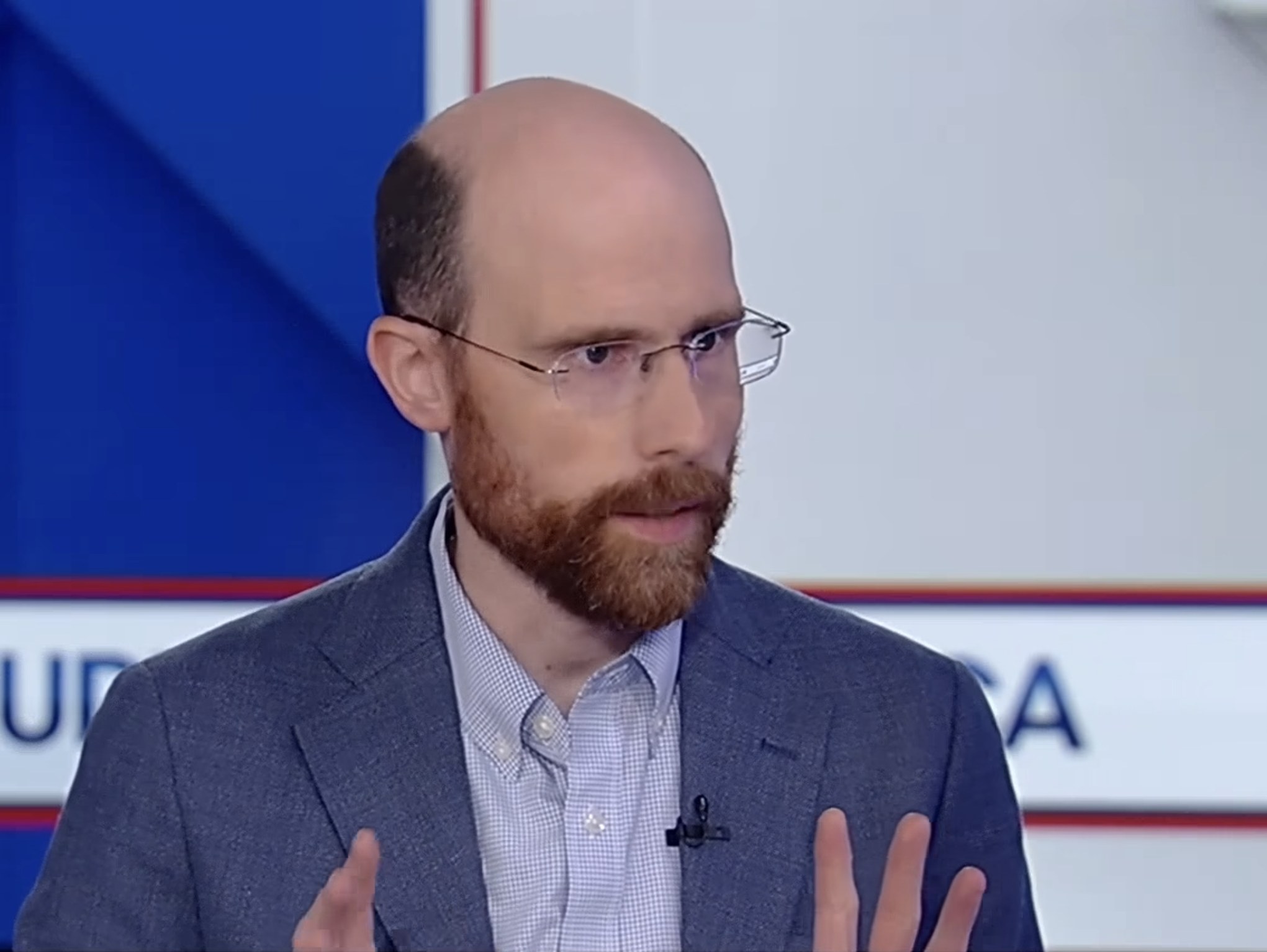
The story picked up national attention this fall. Fox News covered it first in a written piece on October 30, then again a week later as a television interview on its weekend program “Saturday in America.”
For a magazine that spends a lot of time on the bridge between traditions, the appeal here isn’t just apologetics. It’s a reminder that the record outside the Bible keeps getting checked against the record inside it, and it keeps holding up.
Schmidt’s book is published open access by Oxford University Press, so the full case is free to read: get the book here.