
Do good and evil actually exist, and is there still a need to discern the difference? Has our 21st Century culture somehow been liberated from the need to distinguish truth from lies?
Noah Webster, the original author of the classic reference tool, Noah Webster’s 1828 American Dictionary, defines the word discern, “to see or understand the difference…between good and evil, truth and falsehood.” You would think such a straightforward definition would stand the test of time. But as revisionists have been busy reinventing history, so have academic pundits recast the word discern in their own image.
The repackaged meaning of discern in the 2008 version of the Merriam-Webster Dictionary now defines it: “to recognize or identify right from wrong.” Hmm? Was this verbal slight-of hand a significant alteration, or an acceptable summation of the same word?
Without the moral compass of good, evil, truth and lies, who determines what is right and what is wrong? Should such conclusions be left up to each individual’s discretion, or the whim of the masses?
Having considered the ramifications of these questions it seems obvious that the word discern has been stripped of its essence, all that Noah Webster intended. With the decisive nouns—good, evil, truth and falsehood extracted from the definition, we are left with the fluid impulse of personal preference, a completely subjective reality, which has no resemblance to absolute truth at all. Each person may create his or her own version of good, evil, truth and lies.
This supposed “new and improved” definition of discern is ironically totally lacking in discernment. At best, it’s the perfect recipe for deception: the only possible outcome of man playing God. Unless we are acutely aware that good and evil and their counterparts, truth and lies, exist, we will eventually be snared by evil and consigned to live a lie.
The greatest deception the devil ever perpetrated was convincing people that he doesn’t exist.
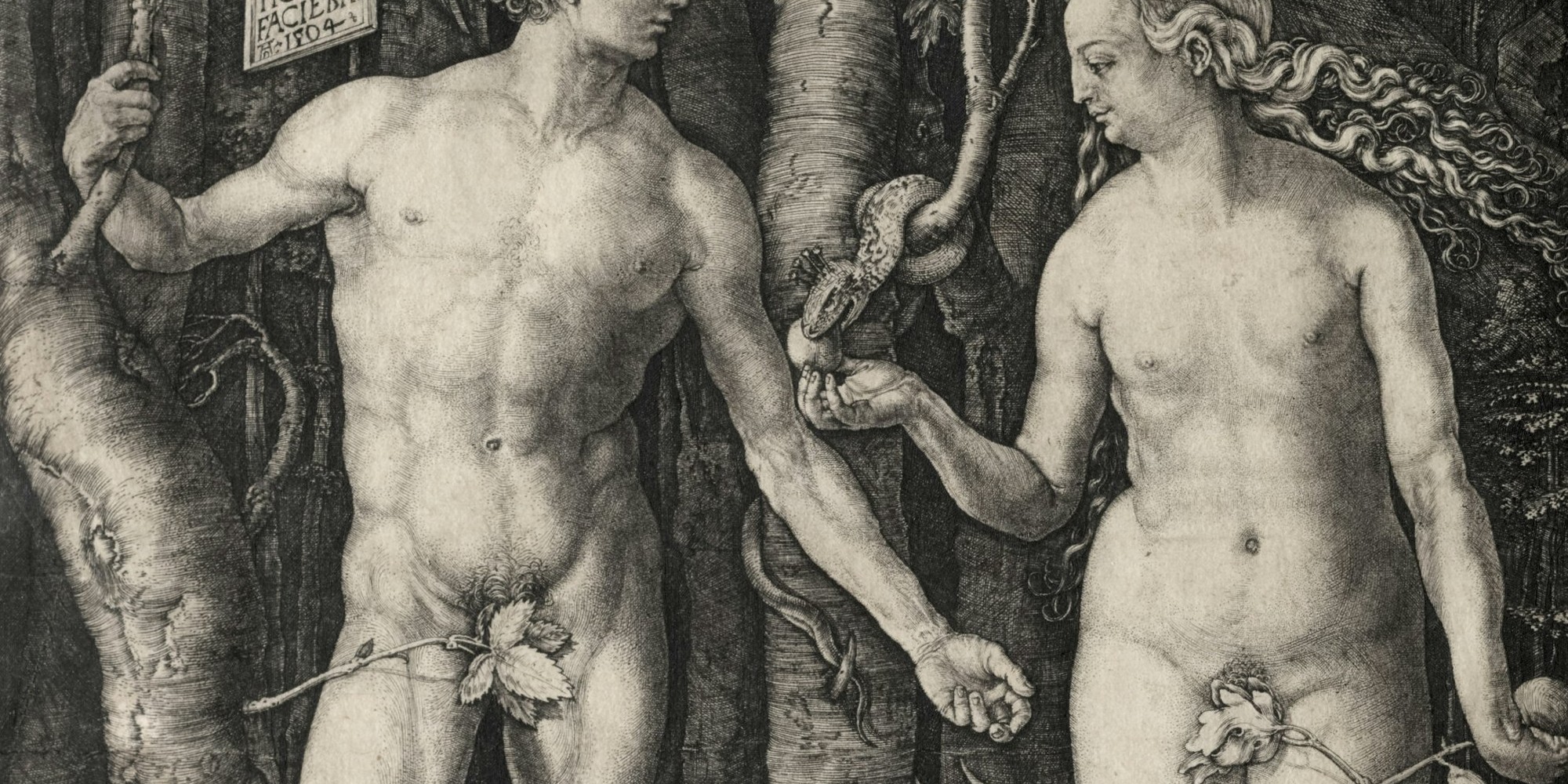
At one point, in the Garden of Eden, all Adam and Eve knew was good. They weren’t alone. All that God had made was good: the light, the land and water, the grass, herbs, and fruit, the fish and birds, the wild animals, and livestock. It was all good!
Yet, in the middle of this majestic garden, the potential for unrestrained sin lay dormant. A deceitful act of treachery, and another of rebellion, awakened unprecedented evil among men and women. These two alternate realities co-existed in the first dwelling of humankind. One was found in the Tree of Life. Adam and Eve feasted daily upon the fruit of a blessed relationship with their Creator.
The other was the Tree of the Knowledge of good and evil—an option bearing fruit which God had forbidden. This was the life-altering test our first parents ultimately failed. The same two very distinct choices remain today.
True freedom must always provide the ability to choose. But the consequences of our decisions will reveal our true heart. In the end, God alone, as the author and Creator of all things, determines the eternal value of everything that exists. He will even determine the merit of our decisions: whether they are good or evil, the truth or a lie, right or wrong.
And God’s definitions need no revision.*